Styles /
traditional-kitchen
Traditional Kitchen In London – Rooted In Character
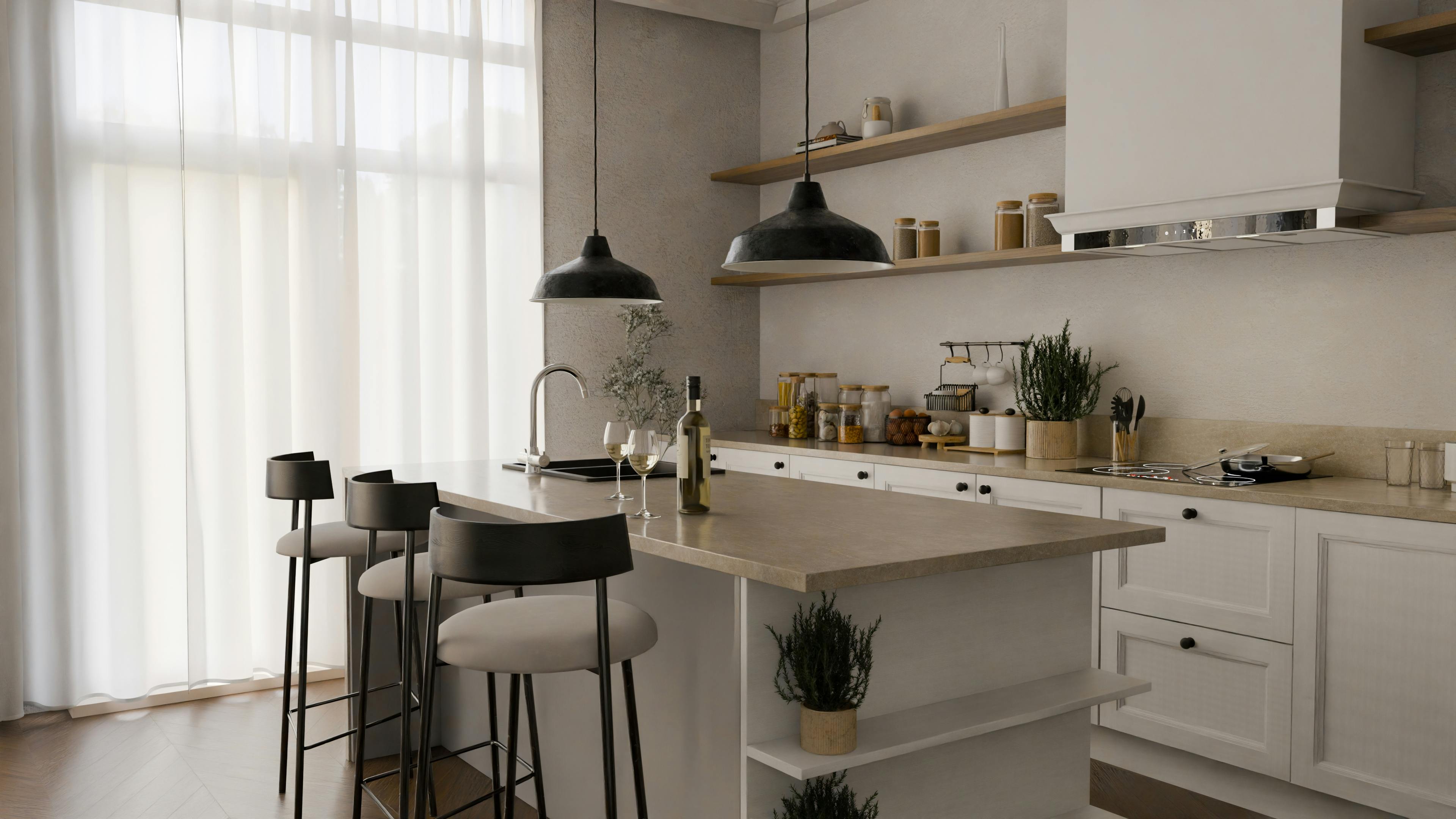
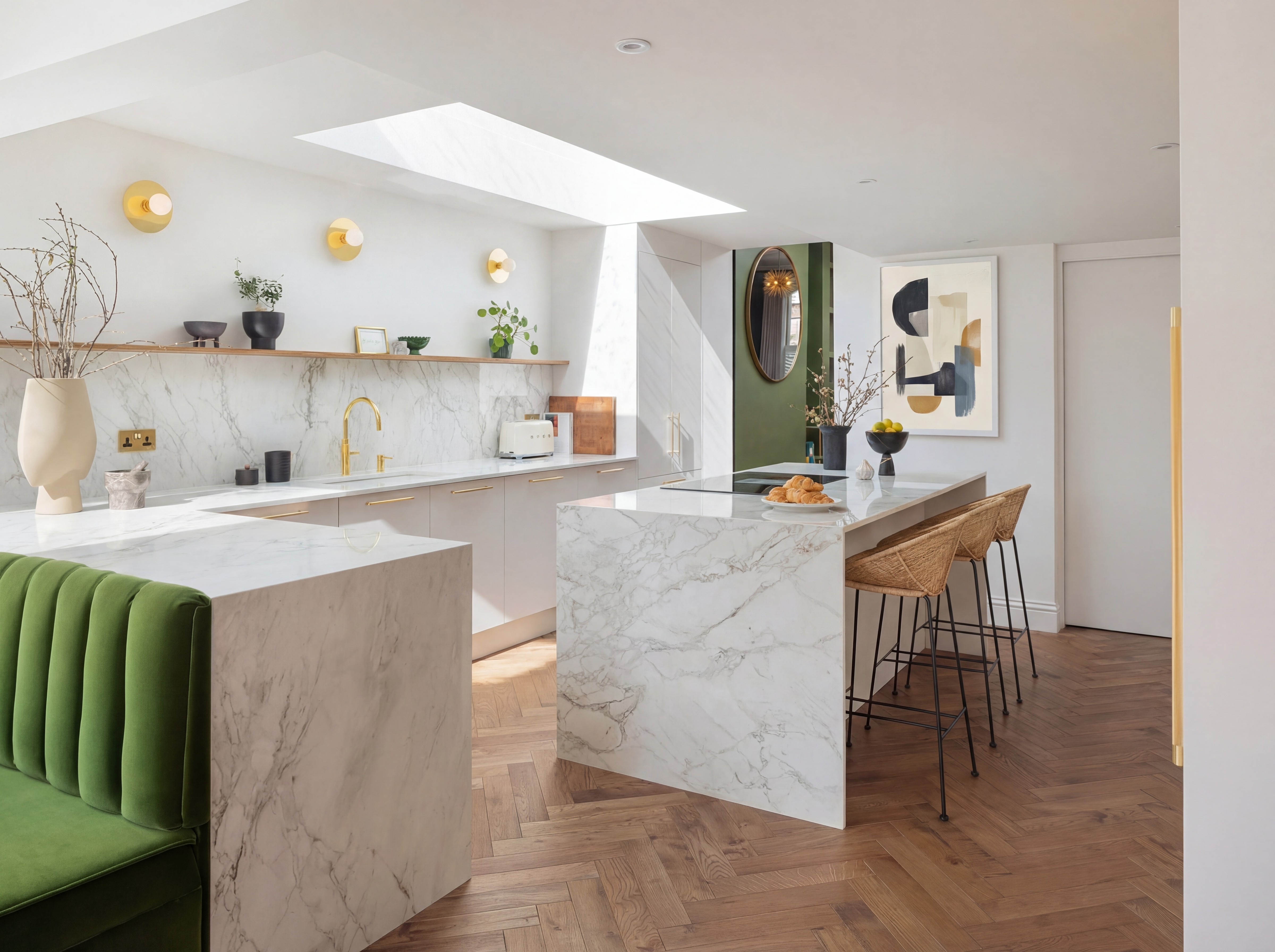
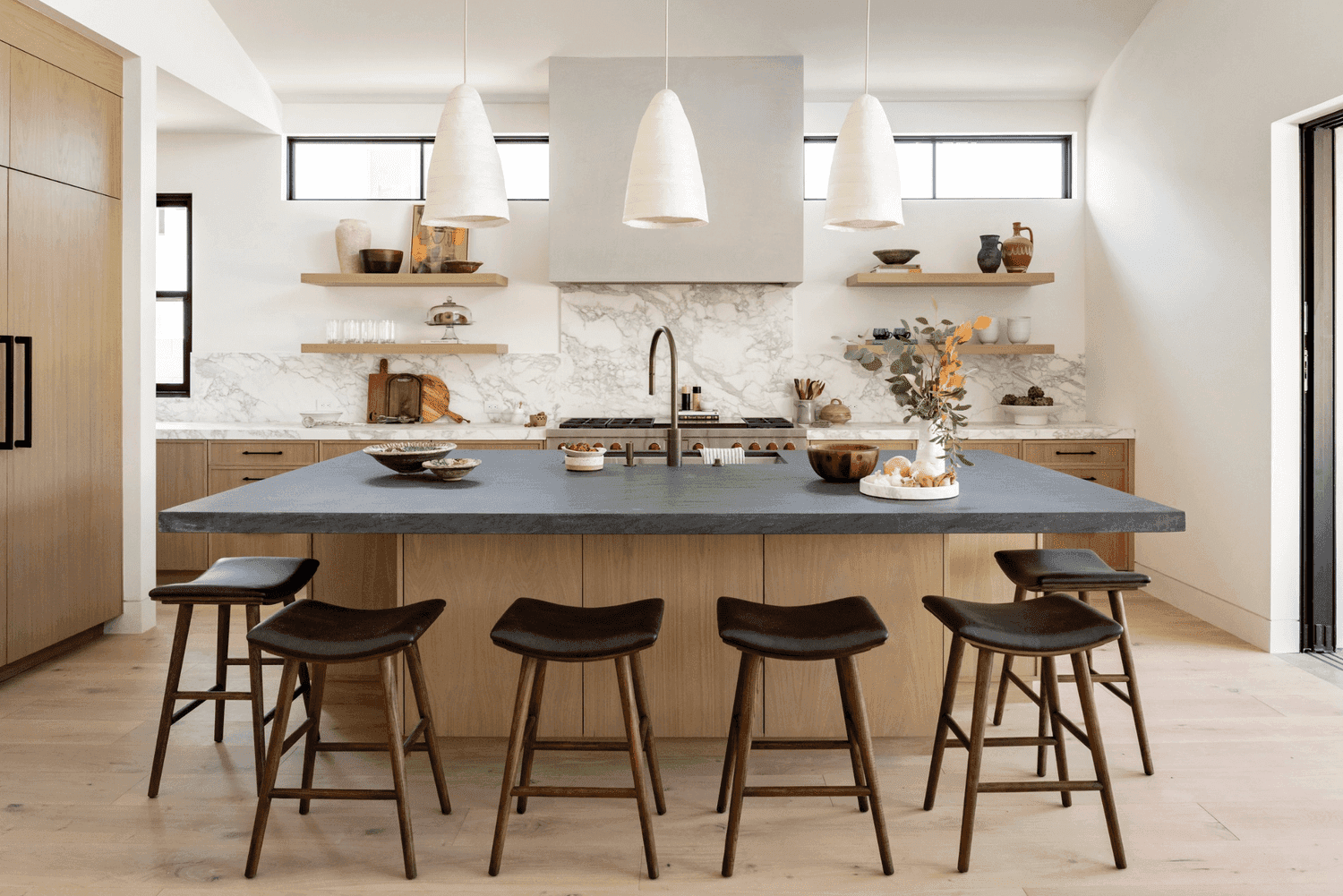
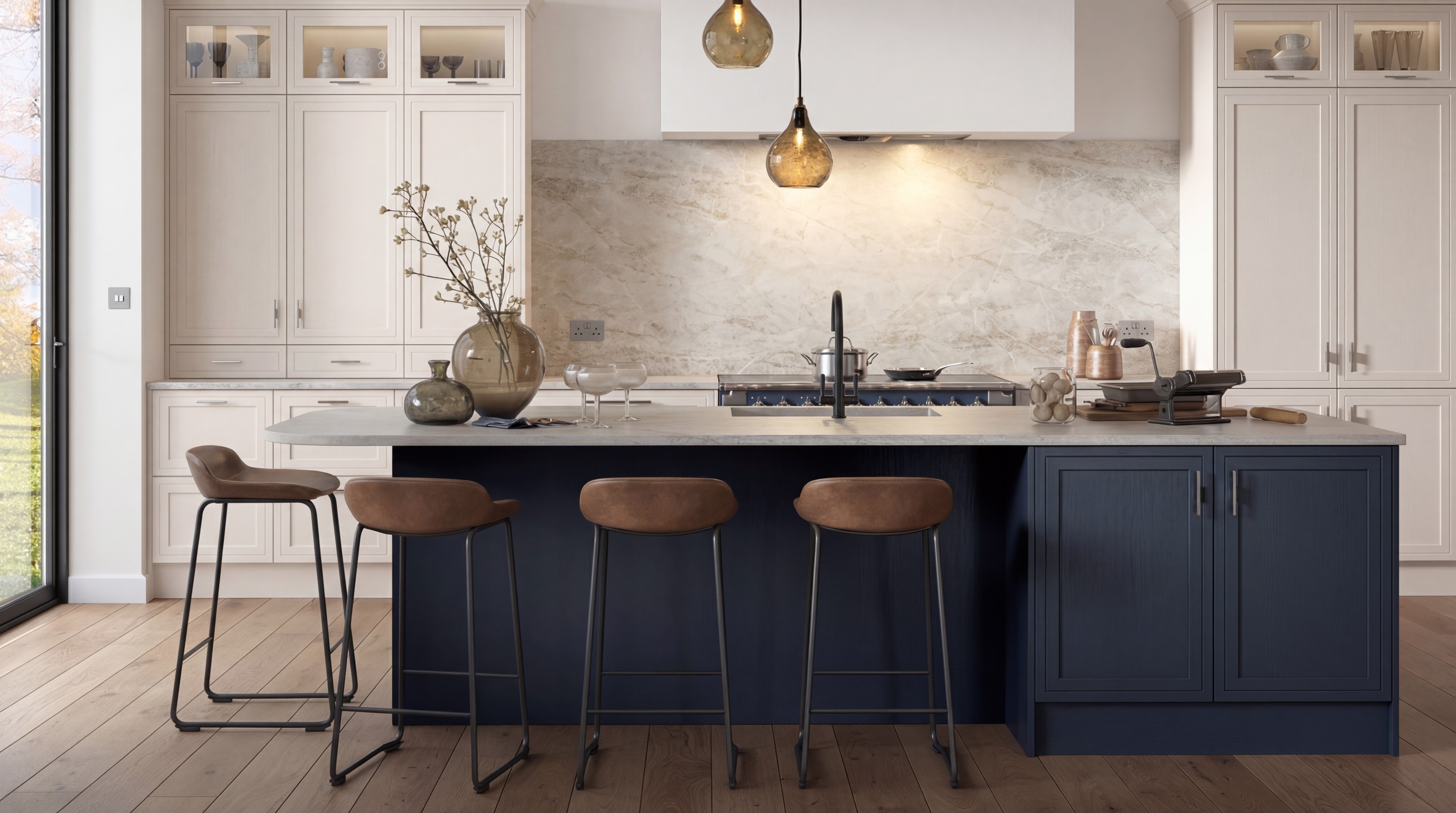
In-frame joinery, natural stone, a range that anchors the room like a hearth. A traditional kitchen is a commitment to craftsmanship that gets better with every year of use.
Layout & Workflow
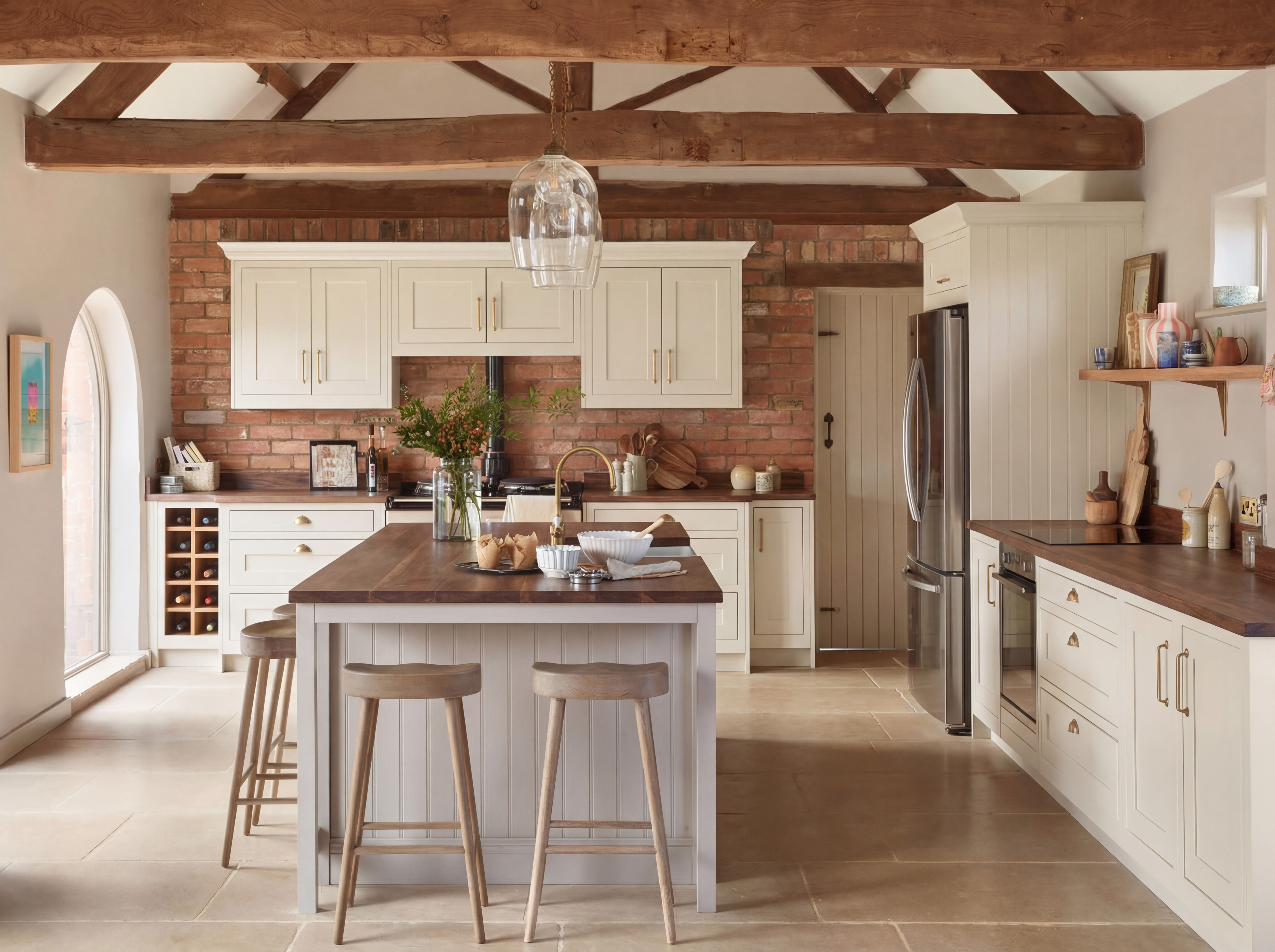
A traditional kitchen starts with the range. Where it sits determines everything else – worktop wings either side, sink within easy reach, larder or fridge just outside the cook's path.
The classic work triangle (range, sink, fridge) still underpins it all, but in a traditional kitchen it's less a formula and more an instinct: the cook pivots rather than commutes, and the room works whether one person is making breakfast or eight are gathered for a Sunday roast.
London Layouts We Work With:
L-shape with island or table. Range on one leg, sink under a window on the other, larder on the return; guests gather at the outer edge without crossing the cook's path.
U-shape or peninsula. Ideal for narrower London rooms, range centred on the back wall, peninsula or dresser screening circulation without blocking light.
Galley in a terrace. One side for the main cooking and sink run, the opposite for dressers and open shelves, so it reads as two facing furniture pieces rather than two hard lines of units.
The Aim:
A room that handles weekday cooking and Friday night dinners with equal ease, and never asks anyone to move just to open the larder.
Cabinetry
Traditional cabinetry should feel like it's always belonged to the house – rooted, crafted and closer to furniture than to fitted units.
In-frame Shaker and beaded Shaker doors are the foundation: solid frames, recessed panels, fine bead details that add softness and shadow. In-frame construction reads crafted and robust, and suits period London architecture particularly well.
The Furniture Feel Comes From The Mix:
Dresser-style pieces with glazed doors, tongue-and-groove backs and open plate racks – a softer, living-room quality
Islands with turned or tapered legs, panelled ends or reeded details – standalone furniture within the room, not just a block of units
A freestanding-look larder alongside fitted runs – suggests the kitchen has evolved over time rather than arrived as one installation
Colours:
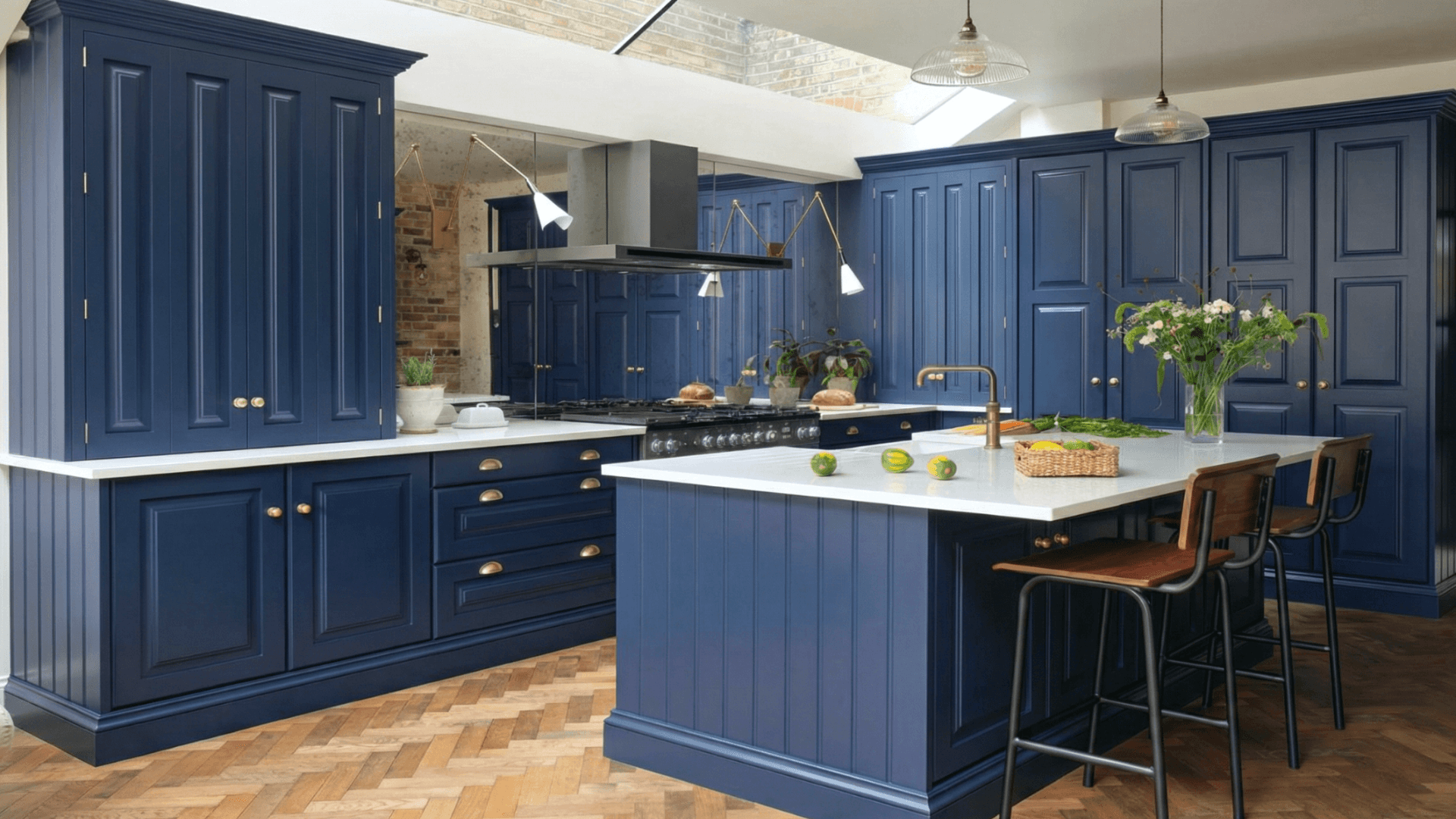
Creams, warm whites, gentle greys, soft blues and greens – occasionally deeper navies, forest greens or charcoals in larger, better-lit rooms. Matt or eggshell finishes throughout, so subtle wear enhances character rather than fighting it.
Worktops
In a traditional kitchen, worktops are where the room earns its "proper kitchen" credentials – solid, tactile surfaces that look as if they've seen a lifetime of cooking.
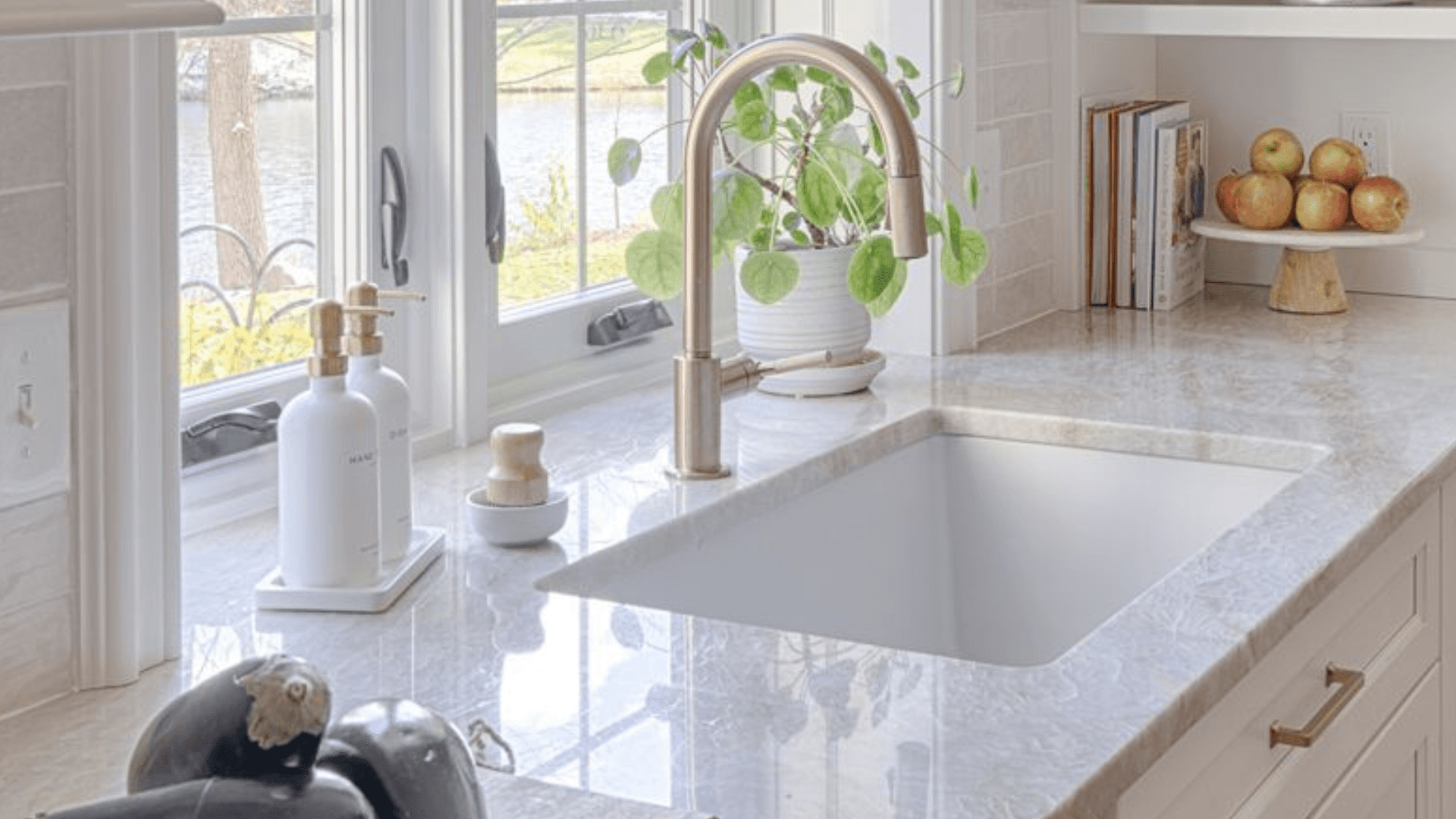
Traditional schemes mix materials deliberately. Stone or quartz handles the hard work around the range and sink – honed granite, marble, quartzite or classic-look quartz with gentle veining rather than bold pattern. Solid wood or butcher's block on the island or breakfast end adds warmth and patina where hands land most often, and can be sanded and re-oiled as it ages.
Edge Profile Matters:
Soft bevel or pencil-round on stone – clean but gentle, suits Shaker joinery
Ogee or eased ogee – more country or formal, especially on thicker sections
Rounded or ogee on timber – softens the island end, suggests furniture rather than counter
Honed finishes on marble and limestone show etching less harshly than high polish and feel softer to the touch. Wood's small knocks read as character rather than damage – which suits the story of a lived-in London family kitchen.
Hardware & Metals
Small, weighty touches that make painted joinery feel like real furniture.
The Classic Trio:
Round knobs on doors, cup (bin) pulls on pan drawers, simple bar or bow handles where needed. Enough presence on big drawers, lightness on the doors flanking them. Symmetrical placement (knobs centred on frame stiles, cup pulls in neat rows) creates the sense of order that suits Shaker cabinetry.
Finishes That Feel Right:
Unlacquered or aged brass – develops a soft patina with use, sits beautifully against creams, soft greens and blues
Antique bronze and patinated nickel – warm, characterful, never hard or shiny
Blackened iron or matte black – for more rustic or country-leaning schemes, as accent rather than dominant finish
Mix Metals With Restraint:
Aged brass on cabinet hardware, polished nickel or chrome on taps, a secondary metal in lighting or a pot rack to echo both. The warm glint on a larder knob repeated in the tap and the wall lights – turning a run of cupboards into something that feels made, not just fitted.
Tiling & Splashback
In a traditional kitchen, the splashback is the gentle backdrop to the working wall – protective and a little nostalgic, but never so busy it competes with the range and cabinetry.
Classic tile choices:
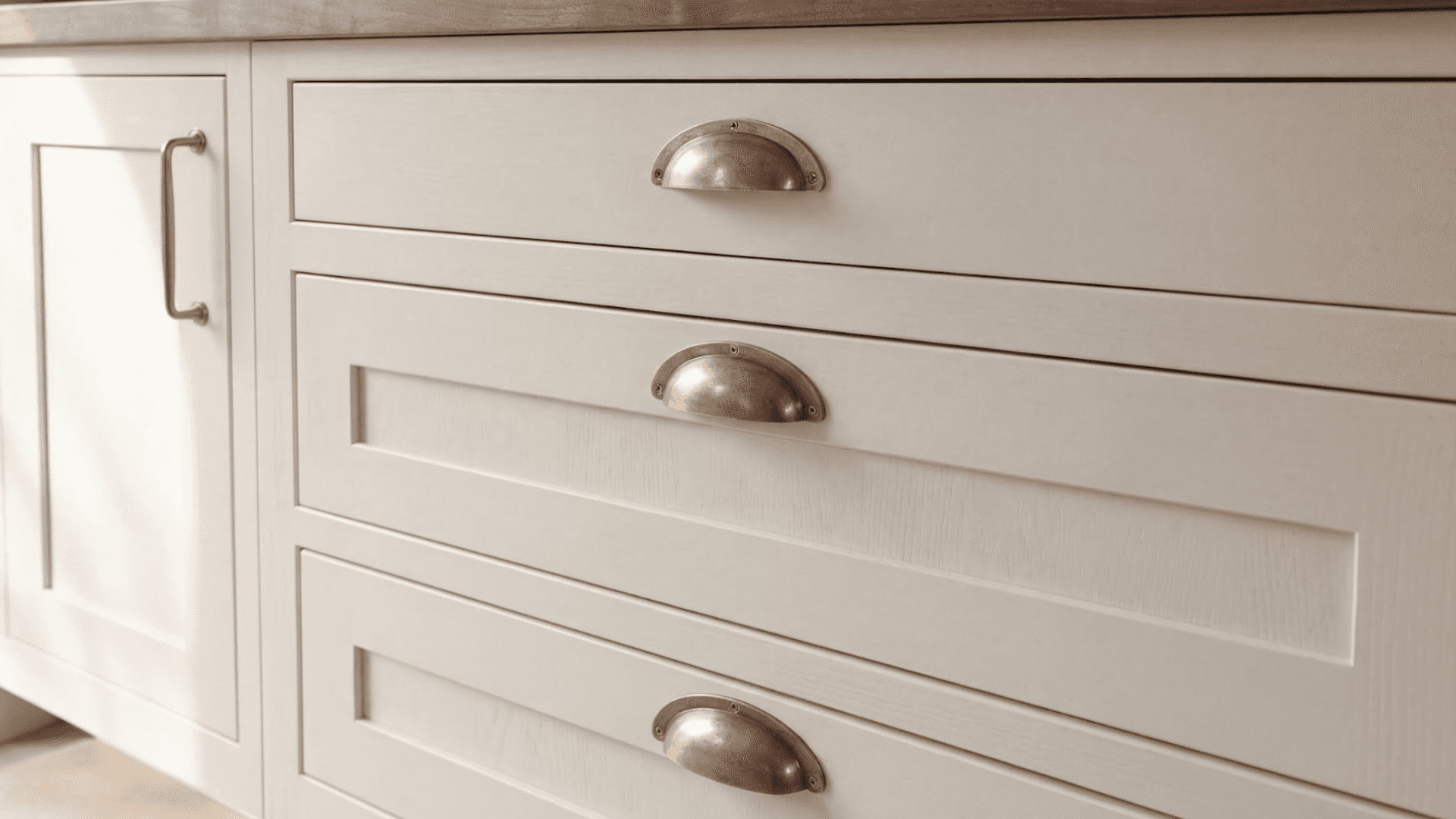
Metro or subway tiles in brick bond – white, cream or soft colour, repeatedly cited as the most enduring option
Handmade or hand-finished tiles – slightly irregular edges, gentle colour variation, satin or gloss glaze that feels artisanal rather than showroom
Zellige-style tiles in quiet neutrals – irregular surface catches light in a way that feels crafted, not feature-wall
Grout is where traditional splashbacks are won or lost. Near-tone grout softens classic brick tiles; a slightly darker line outlines the pattern without shouting. Very dark grout with bright white tiles reads industrial, not country-townhouse. Soft gloss or satin glaze bounces light around deeper London rooms without tipping into clinical.
Behind a traditional range, a dedicated metal or stone panel – often the full width of the hob, taken up to the canopy – is a classic move. A single slab of marble or granite continued up from the worktop reads as one "chimney piece" of stone set into the joinery.
Flooring
The floor of a traditional kitchen should feel like it belongs to the house – warm underfoot, a little irregular, and robust enough for muddy boots.
Material Choices:
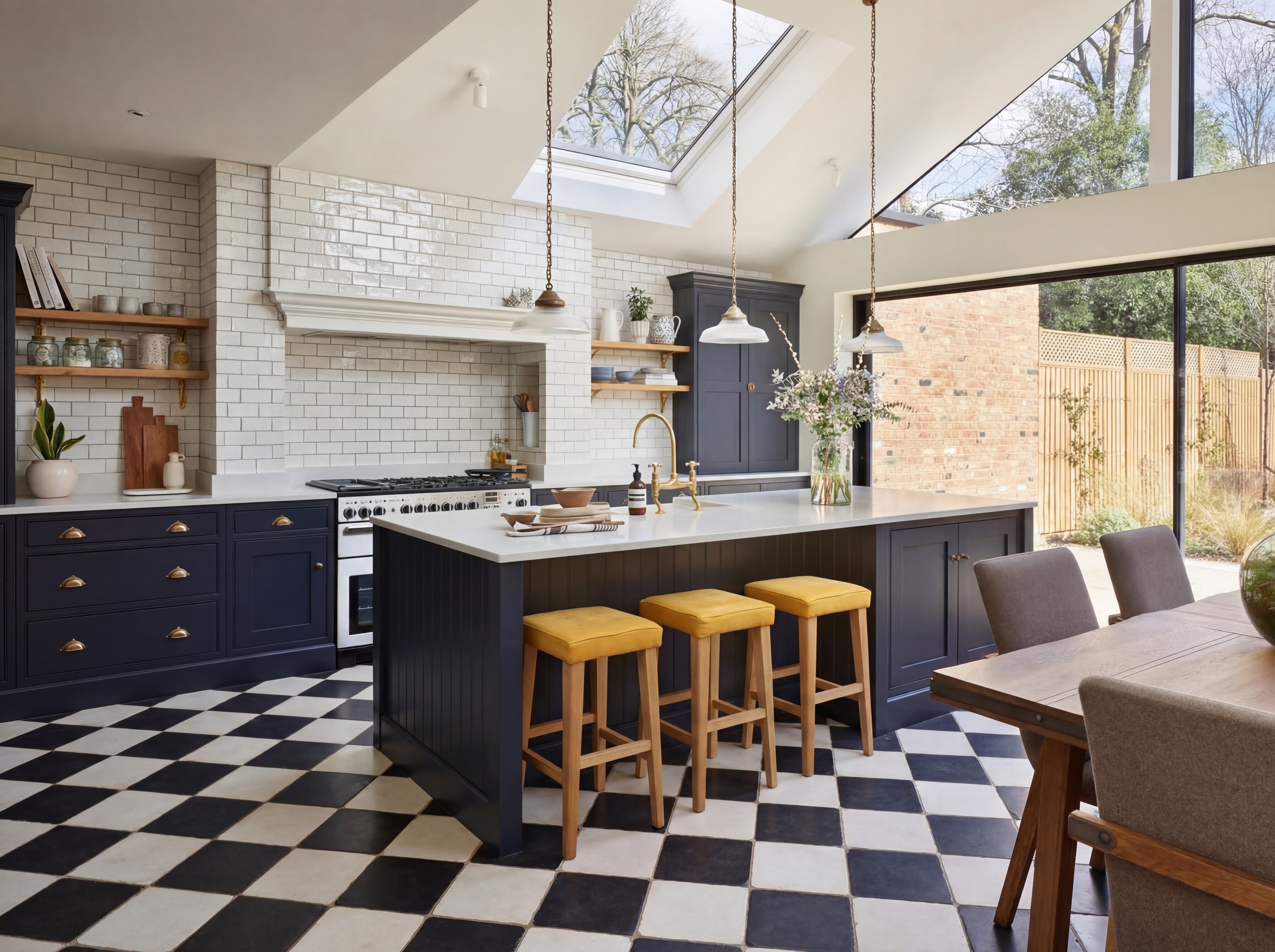
Engineered or solid oak – character grades with knots and grain, handles London underfloor heating and humidity better than old-school solid boards
Tumbled limestone and flaggy stone-effect porcelain – softly worn edges, matte finishes, tonal variation that looks right with Shaker cabinetry and a range
Terracotta tiles – that farmhouse-in-the-city feel, especially in Victorian and Edwardian terrace extensions
Pattern Tells The Story:
Straight wide oak boards feel relaxed and familiar; herringbone and chevron add a townhouse note without losing the classic feel. Checkerboard floors in chalky neutrals or soft greys are a long-loved traditional motif – kept gentle rather than stark black-and-white so they feel enduring rather than era-specific.
What To Step Back From:
High-gloss tiles, flat mid-grey planks – too cold, too slippery, and too at odds with the warmer materials traditional kitchens are built around.
Colour Palette
A traditional London kitchen palette should feel as if it could have been there for decades – soft, slightly muddied tones that love brass, timber and stone as much as they love changing light.
The backbone is warm, layered neutrals: creams, off-whites, putty, mushroom and soft leaden greys. These shades were historically practical and now create a calm backdrop for Shaker joinery, oak floors and marble or timber worktops.
Character Colours:
Deep sages and olive greens – rooted in nature, pair beautifully with polished wood, brass and stone
Dusty or leaden blues and blue-greys – slightly aged rather than bright, formal and calm in equal measure
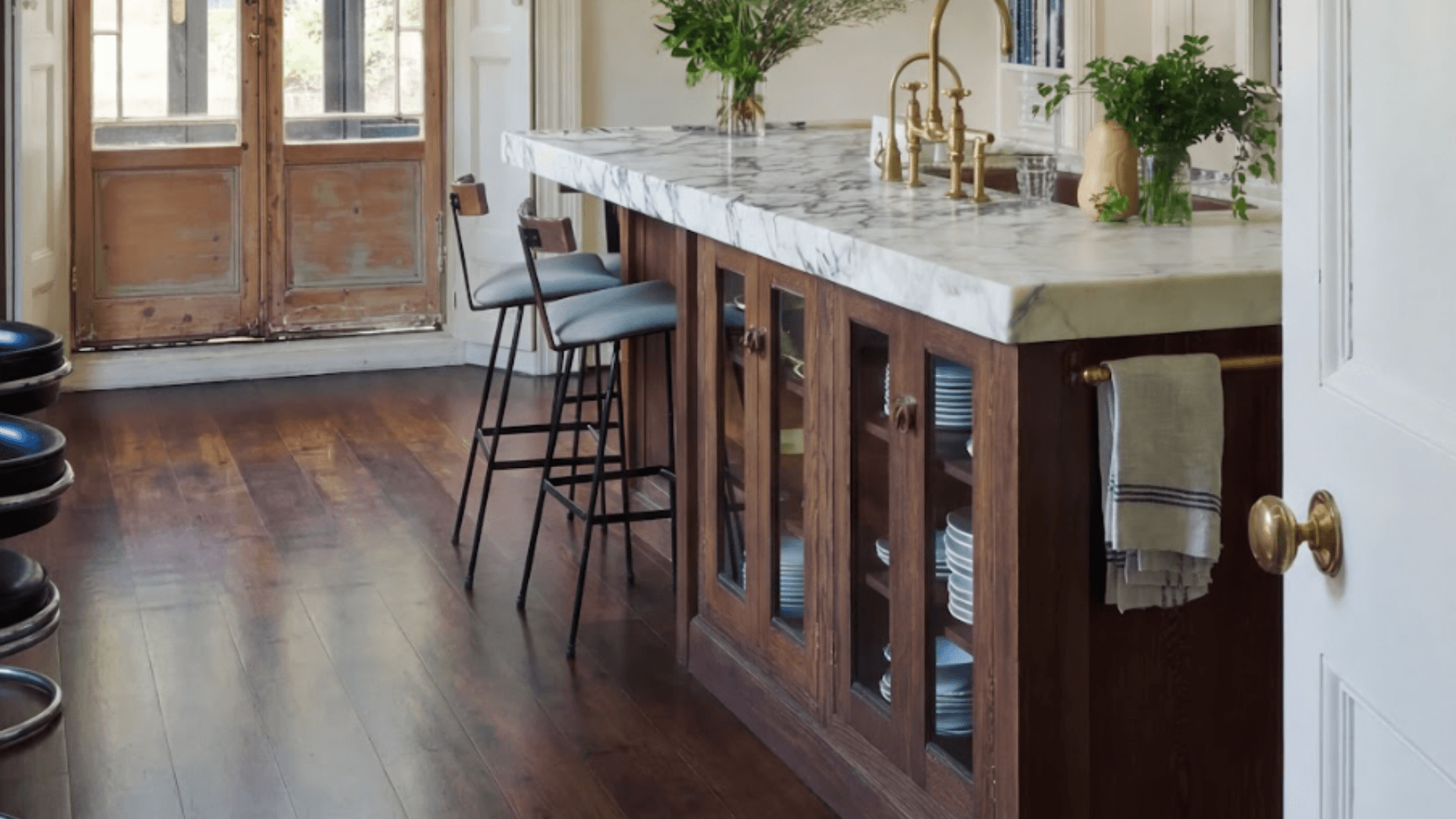
Deep navies and forest greens – for larger, better-lit rooms; add depth and character to Shaker cabinetry in London terraces and townhouses
The Classic Traditional Move:
Lighter main runs with a deeper, more saturated island or dresser – cream or putty wall cabinets with a deep green island, soft grey perimeter units with a richer-coloured larder. Walls kept a half-step lighter or warmer than cabinetry to show off the joinery profiles.
Lighting
Traditional London kitchen lighting should feel like lamplight translated for a working room – warm, layered and a little soft around the edges.
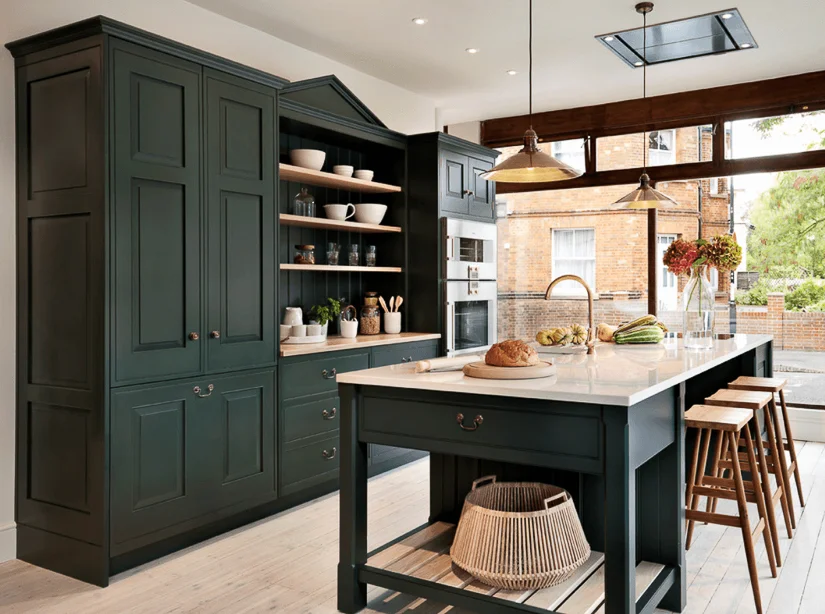
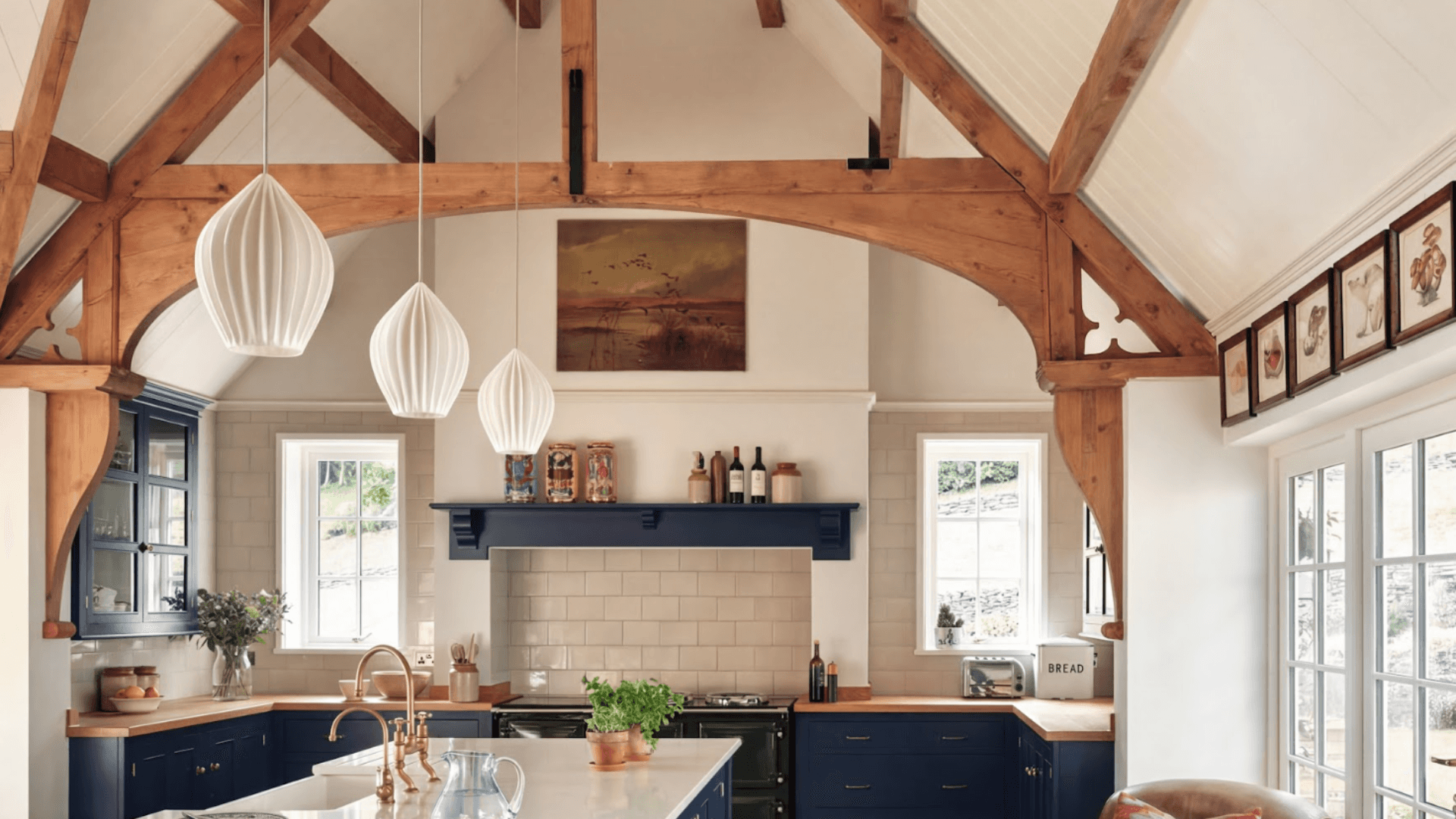
Pendants, wall lights, and a central fitting do the heavy lifting. Over islands and tables: glass, enamel, linen-shaded or metal pendants in a classic row of two or three, hung low enough to create intimacy without blocking views. Wall lights above a dresser, by the range or flanking a window bring a softer glow at eye level and blur the line between kitchen and living room – particularly important in London where these spaces often merge.
Three layers, always:
Ambient – a modest grid of downlights or a central pendant, supplemented by wall lights rather than replaced by them
Task – discreet strips or small spots under wall cupboards and over the range and sink, invisible until needed
Accent – lamps on a dresser, a lit shelf, a low lamp in a corner adding that drawing-room warmth
Colour Temperature:
Firmly warm white. Around 2700K is closest to traditional incandescent – the golden cast that flatters creams, timbers, and historic greens and blues. Rise-and-fall pendants over the table are a classic move: high for prep and homework, low for supper and late evenings.
Appliances
In a traditional kitchen, appliances work hard but look settled – modern performance wrapped in a language that feels at home with Shaker joinery, stone, and brass.
The Range Is The Star
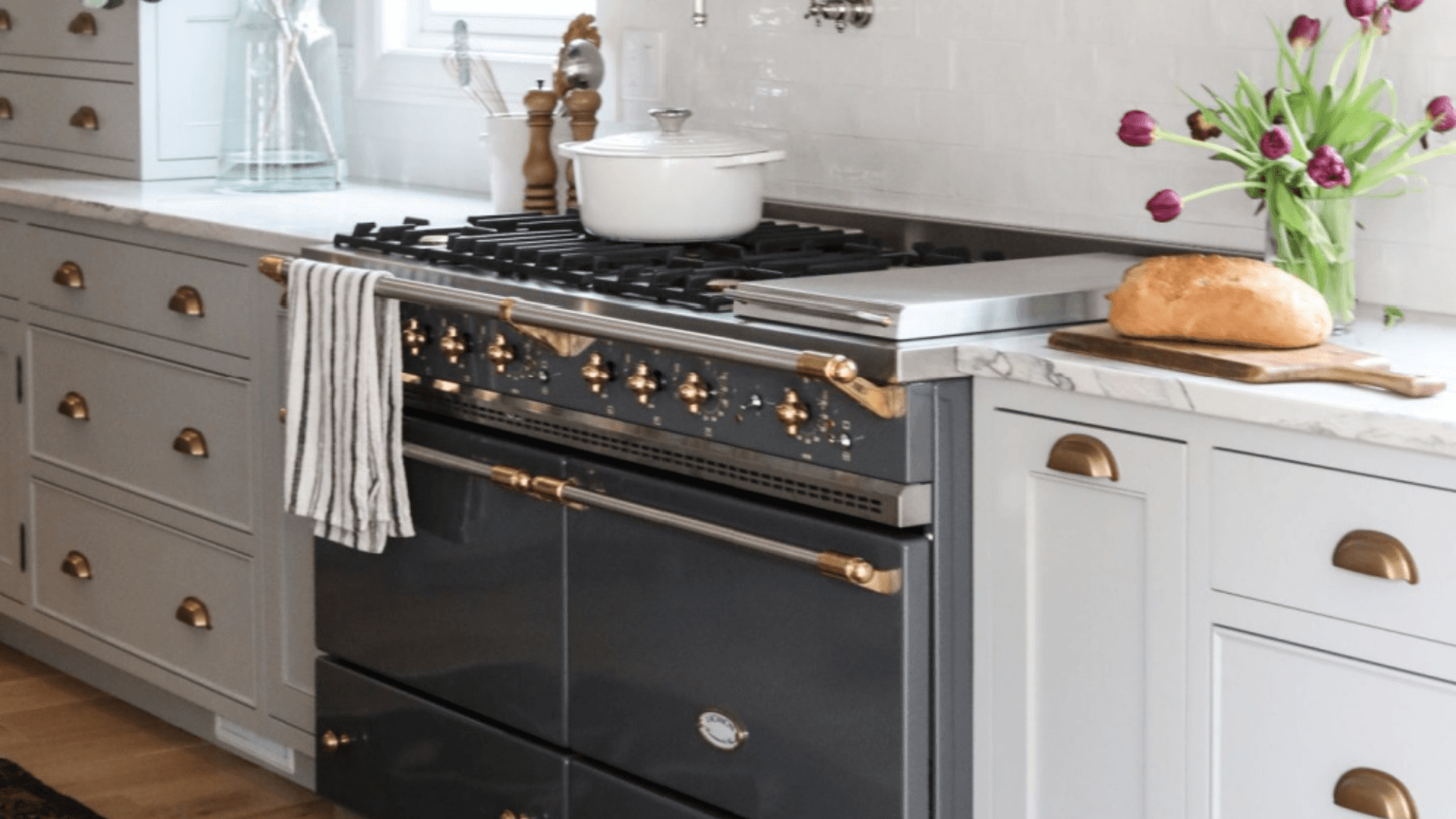
Classic British or French-inspired ranges – often enamelled, with generous knobs, door rails and sometimes viewing windows – sit under a mantel or chimney canopy and turn the cooking wall into a focal point that reads more like a hearth than an appliance.
Cream, black, deep blue, or forest green enamel finishes sit far more comfortably with painted cabinets and timber floors than banks of black glass.
Everything Else:
Hidden in plain sight. Panel-ready or fully integrated fridges, freezers, and dishwashers framed and panelled to match the cabinetry – tall cold columns reading as pantries or larders, the dishwasher simply joining the run of doors by the sink.
Behind those traditional fronts, the spec is quietly modern: dual-fuel or induction ranges, powerful ducted extraction, energy-efficient integrated refrigeration, boiling-water taps.
Joinery Details & Character
Traditional joinery details are what make a kitchen feel built in rather than fitted – small, crafted moves that quietly echo the age of the house.
Around the cooker, joinery steps up into architecture. A Shaker canopy or mantel built around the extractor turns the range into a modern hearth, hiding the hood and framing tile or stone behind. Pilasters, corbels, or gently projecting breakfront sections on either side add depth and a touch of formality, making the cooking wall feel like a piece of fitted furniture.
Character Details Worth Specifying:
Cornices and coving at the tops of wall and tall units – bridging London's often imperfect ceilings, giving cabinetry an architectural finish
Tongue-and-groove or beaded panelling on island backs, behind a table or around a window seat – vertical rhythm, texture, period resonance
Dresser-style glazed uppers with plate racks – pottery, glass, and cookbooks on show, everyday storage behind closed doors
Dovetailed oak or walnut drawer boxes, solid timber cutlery inserts, tray slots beside the range – craftsmanship where it's used most
These details stitch old and new together. Corniced in-frame runs feel natural under original coving. Tongue-and-groove echoes hallway wainscoting. A dresser-style larder brings the charm of a Victorian back-kitchen into a practical, modern space.
Storage
Traditional storage keeps the room serene and properly lived-in – packed behind closed doors, but visually calm and a little nostalgic from the doorway.
The Larder Comes First
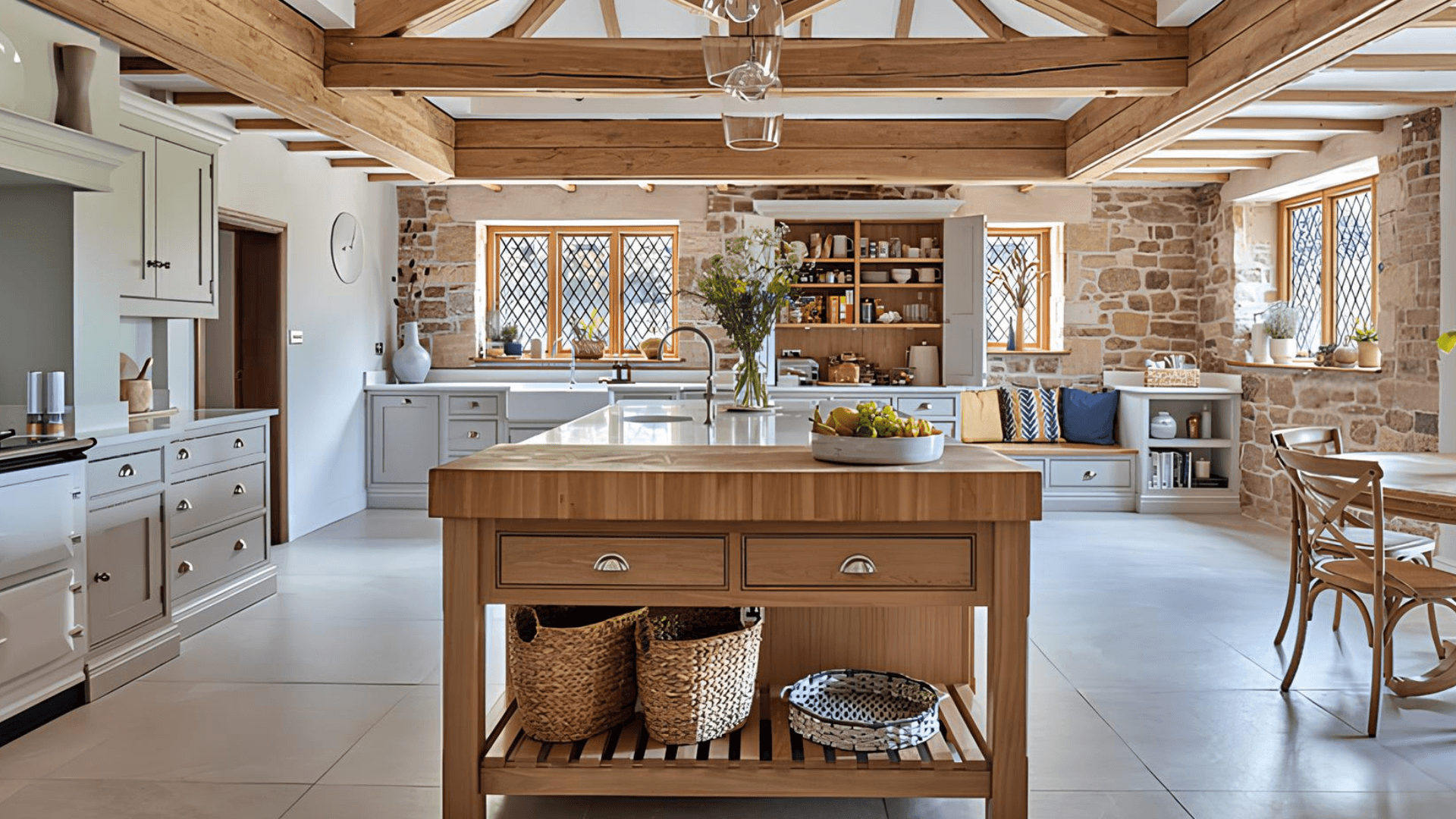
Walk-in pantries in larger London houses and side-return extensions hide dry goods, appliances, and bins behind a single door. Well-designed tall larder cupboards do the same in tighter terraces – keeping the main kitchen looking simple and unbothered. Bifold or pocket-door breakfast larders with internal worktops and power keep kettles, toasters and coffee machines off the main surfaces while still close to hand.
Traditional Storage Moves That Matter:
Deep, wide drawers for pans, plates and baking kit – contents come to you, nothing buried at the back
Internal drawers inside larders – four or five full-extension drawers for heavy jars and packets, each containing spills
Open plate racks above the sink or between wall cabinets – plates air-drying in plain sight, rhythm and colour on the wall
Pull-out bin systems near the sink or island – waste and recycling out of sight, close to prep
Why Kitchen Fitters London For Traditional Kitchens
Traditional kitchens demand craftsmanship at every stage. We manage it from first sketch to final sign-off.
Exclusive manufacturer partnerships – direct access to in-frame cabinetry, premium natural stone, and hardware unavailable through standard trade suppliers
Full end-to-end project management – one project manager coordinates every trade, so the craftsmanship of the design survives intact into the build
Bespoke and custom work – canopies, dressers, larders, and joinery details designed specifically for your London property
Comprehensive warranty – materials, workmanship, and installation all covered long after completion
We bring the showroom to you – timber samples, stone sections, and hardware finishes brought to your home so every decision is made in the right light
Traditional Kitchen Installers London FAQs
What makes a traditional kitchen work in a London period property?
Traditional kitchen installers in London work with the architecture rather than against it. Original features (cornicing, chimney breasts, sash windows, original floors) become assets rather than obstacles, with in-frame joinery, range cookers, and period-appropriate palettes helping the kitchen feel like a natural extension of the house.
Do you handle the full renovation or just the fitting?
We handle everything. As traditional kitchen fitters London homeowners rely on for full projects, we cover design, material supply and complete installation – cabinetry, worktops, tiling, flooring, appliances and all associated trades. One project manager coordinates every stage from survey through to handover, with fixed pricing agreed upfront.
What cabinetry styles do you fit for traditional kitchens?
We fit the full range of traditional cabinetry: in-frame Shaker, beaded Shaker, raised-panel doors, dresser-style glazed units. We also design and install bespoke elements including canopies, mantels, plate racks, and larder cupboards through our exclusive manufacturer partnerships.
How long does a traditional kitchen installation in London take?
Most traditional kitchen projects take 3–5 weeks from demolition to completion, depending on size, complexity, and whether bespoke joinery is involved. Larger projects or those involving structural work, custom cabinetry, or period property considerations may take longer. We provide a clear timeline during the planning stage and manage every trade so the schedule stays on track.
Can you match the style of an existing period feature or original joinery?
Yes – it's one of the things we do most often in London's older housing stock. We work with specialist manufacturers and skilled tradespeople who can match profiles, finishes, and proportions to existing cornicing, panelling, or original kitchen joinery, so new work sits seamlessly alongside what's already there.